
Banking Safety Hub
Your Security. Your Information. Your Money.
At Stoughton Co-Operative Bank, protecting your financial information is a priority. As technology continues to evolve, so do the tactics used by scammers and cybercriminals.
Our Banking Safety Hub is your resource for learning how to recognize potential threats, protect your personal information, and bank with confidence.
Whether you’re banking online, using your mobile device, shopping online, or simply checking your email, a few simple precautions can make a big difference.
Stay informed. Stay alert. Stay protected.

Phishing & Social Engineering
Recognize suspicious emails, texts, phone calls, and impersonation attempts.
Password & Account Security
Create strong passwords, use multi-factor authentication, and secure your accounts.
Online Shopping & Payment Safety
Shop safely, recognize fraudulent websites, and protect your payment information.
Identity Theft Prevention
Learn how identity theft happens and what to do if your information is compromised.
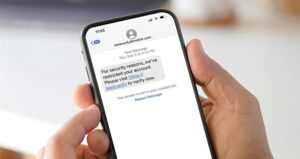
Text & Phone Scams
Avoid smishing, spoofed phone numbers, fake bank alerts, and impersonation scams.

Check & Payment Fraud
Understand counterfeit checks, altered checks, mobile deposit fraud, and payment scams.

Elder Financial Exploitation
Recognize romance scams, tech support fraud, financial exploitation, and suspicious requests.
Device & Computer Safety
Keep your computers, tablets, and smartphones protected with basic security practices.
Common scams to watch out for
Scammers are constantly changing their tactics. Here are some common schemes customers should be aware of.
Fake Bank Alerts
You receive a text claiming your account or debit card has suspicious activity and asking you to click a link or provide information.
Tech Support Scams
Someone claims your computer has a virus or security problem and asks for remote access or payment to fix it.
Romance & Relationship Scams
A person develops an online relationship with you and eventually asks for money, gift cards, or financial assistance.
Fake Check & Overpayment Scams
Someone sends you a check and asks you to return part of the money before the check is discovered to be fraudulent.
Emergency & Family Impersonation Scams
A caller pretends to be a family member or authority figure claiming someone is in trouble and urgently needs money.
10 Simple ways to protect yourself
Cybersecurity doesn’t have to be complicated. Following these everyday habits can help protect your money and personal information.
- Use strong, unique passwords. Avoid reusing passwords across different websites and accounts.
- Enable multifactor authentication. Add another layer of protection whenever available.
- Never share verification codes. Treat one-time passcodes like your password.
- Think before you click. Avoid unexpected links and attachments.
- Keep devices updated. Install software and security updates promptly.
- Use secure Wi-Fi. Avoid conducting sensitive banking transactions over unsecured public networks.
- Monitor your accounts. Regularly review transactions and account activity.
- Protect your personal information. Be cautious about what you share online and over the phone.
- Verify unusual requests. Independently contact the person or organization using a trusted number.
- Report suspicious activity immediately. Contact your bank if you believe your account or information may be compromised.
What should you do if you suspect fraud?
If you believe you’ve been targeted by a scam or notice suspicious activity involving your account, taking action quickly is important.
- Contact the Bank immediately.Notify us about suspicious transactions, unauthorized debit card activity, or concerns about your account.
- Secure your accounts.Change compromised passwords, contact affected financial institutions, and secure your email and other important accounts.
- Contact the appropriate authorities.Report suspected scams and identity theft to the appropriate agencies.
- Monitor your financial information.Review bank accounts, credit reports, and other financial activity for unusual transactions.
Trusted cybersecurity resources
We encourage our customers to take advantage of the following free resources for additional information, education, and fraud prevention.
Federal Trade Commission
Consumer fraud and identity theft education
Cybersecurity & Infrastructure Security Agency (CISA)
Cybersecurity awareness and online safety
IdentityTheft.gov
Steps to take if your identity is stolen
American Bankers Association
Banking education and scam awareness
Questions about your account or suspicious activity?
We’re Here to Help.
If something doesn’t seem right, don’t hesitate to contact Stoughton Co-Operative Bank. Our team is here to help you protect your accounts and answer your questions.
When it comes to your financial security, it’s always better to ask.